Demolition Dumpster Rentals: Choosing the Right Dumpster for Your Demolition Project
Demolition Dumpster Rentals: Sizes, Costs & Waste Removal Guide
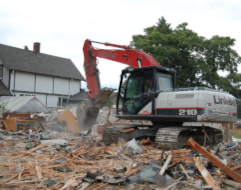
Demolition projects can generate a surprising amount of waste. Whether you are removing an old kitchen, renovating an entire house, tearing down a garage, or demolishing a commercial building, managing demolition debris is an important part of the project.
Broken drywall, lumber, roofing materials, flooring, insulation, concrete, bricks, metal, and other construction materials can quickly accumulate. Having the right dumpster or roll-off container available makes debris removal more organized and helps keep the project site clear.
But how do you determine what size dumpster you need? How many containers will be required? And how frequently should they be emptied?
The answer depends on several factors, including the size and scope of the demolition, the type of materials being removed, the amount of labour involved, and the time available to complete the cleanup.
In this guide, we will look at common demolition projects, typical dumpster requirements, and practical considerations when arranging demolition dumpster rentals.
1. Understanding Different Demolition Projects
Not all demolition projects produce the same amount or type of waste. A small interior renovation may require only one compact disposal bin, while a complete house demolition can involve several large roll-off dumpsters and multiple hauling trips. Here are some common examples.
Small Interior Demolition
Small demolition projects typically involve removing selected fixtures, finishes, or building materials rather than an entire structure.
Examples include:
- Kitchen cabinet and countertop removal.
- Bathroom demolition, including old tubs, sinks, tiles, and fixtures.
- Removing drywall, ceiling panels, and interior partitions.
- Removing old flooring, carpeting, and laminate.
- Partial basement or room renovations.
These projects generally produce a combination of wood, drywall, flooring, tiles, metal, and general construction debris.
Typical dumpster requirement: One 10–15 cubic yard dumpster may be sufficient for a small project. A larger 15–20 cubic yard container may be more appropriate when substantial cabinetry, flooring, or wall materials are involved.
Medium-Sized Residential Demolition
Medium-sized projects involve more extensive interior or exterior removal.
Examples include:
- Complete kitchen or bathroom renovations.
- Gutting several rooms or an entire floor.
- Removing interior walls and ceilings.
- Garage or shed demolition.
- Deck, porch, or fence removal.
- Removing roofing materials and exterior siding.
These projects can generate considerable volumes of mixed demolition waste. Depending on the materials involved, debris may need to be separated into different containers.
Typical dumpster requirement: One or two 20–30 cubic yard dumpsters, or several smaller containers when heavier materials are involved.
Large Residential Demolition
Complete house demolition is a much larger undertaking. It may involve removing the roof, walls, floors, framing, windows, doors, insulation, exterior finishes, and other structural components.
The amount of debris depends on the building's floor area, construction method, number of storeys, foundation type, and materials used.
Typical dumpster requirement: Several large 30–40 cubic yard roll-off dumpsters, with multiple container exchanges throughout the project.
For a larger residential demolition, it is often more practical to arrange a scheduled hauling service rather than relying on a single dumpster delivery.
Commercial and Industrial Demolition
Commercial demolition projects can vary enormously in size and complexity.
Examples include:
- Office and retail space renovations.
- Warehouse and industrial building demolition.
- Restaurant and commercial kitchen removal.
- Shopping centre interior renovations.
- Factory and commercial property dismantling.
These projects may produce large quantities of concrete, steel, masonry, drywall, wood, roofing materials, and other construction debris.
Typical dumpster requirement: Multiple large-capacity roll-off containers, often ranging from 20 to 40 cubic yards or more, depending on the project.
Commercial projects may also require dedicated containers for different waste streams and a regular pickup and replacement schedule.
2. Estimating the Number and Size of Dumpsters Required
Choosing the right dumpster size is one of the most important decisions when planning demolition waste removal.
Dumpsters are generally measured in cubic yards, indicating how much material they can hold.
The following table provides a preliminary planning guide. These are broad estimates rather than fixed quantities, since actual requirements depend on the building, materials, and demolition scope.
| Demolition Project | Suggested Dumpster Size | Preliminary Quantity |
|---|---|---|
| Small bathroom renovation | 10–15 cubic yards | 1 |
| Kitchen demolition | 15–20 cubic yards | 1 |
| Single-room interior demolition | 10–15 cubic yards | 1 |
| Multiple-room renovation | 20–30 cubic yards | 1–2 |
| Garage or shed demolition | 15–30 cubic yards | 1–2 |
| Large interior renovation | 20–30 cubic yards | 2–4 |
| Complete residential house demolition | 30–40 cubic yards | 3–8 or more |
| Commercial building demolition | 30–40 cubic yards | Multiple containers; project-specific |
Keep in mind that a 40-yard dumpster does not necessarily hold twice as much material as a 20-yard dumpster in practical terms. Weight restrictions, material density, loading requirements, and local hauling regulations can limit the usable capacity.
For example, concrete, bricks, asphalt, and soil are considerably heavier than wood, drywall, or general mixed construction debris. A smaller container specifically designed for heavy materials may be more appropriate than a large general-purpose dumpster.
3. What Type of Demolition Waste Will You Be Removing?
The type of debris has a significant impact on dumpster selection, loading capacity, disposal costs, and recycling options.
Here are some common demolition waste categories:
Wood and Lumber
Framing, plywood, cabinets, doors, trim, and other wood materials are common in residential and commercial demolition. Depending on local disposal requirements, clean wood may be separated for recycling.
Drywall and Plaster
Wall and ceiling removal can generate substantial volumes of drywall debris. Some disposal facilities require drywall to be separated from other construction waste.
Concrete, Bricks, and Masonry
Concrete slabs, foundations, bricks, blocks, and other masonry materials are particularly heavy. These materials usually require smaller, heavy-duty containers and may be accepted at specialized recycling facilities.
Roofing Materials
Asphalt shingles, roofing membranes, wood shakes, and other roofing materials can accumulate quickly during roof replacement or structural demolition.
Metal and Fixtures
Pipes, electrical components, metal framing, appliances, plumbing fixtures, and other metal items may be suitable for separate recycling.
Mixed Construction Debris
Many demolition projects produce a combination of materials that cannot easily be separated at the source. Mixed construction and demolition waste may require a dedicated disposal container.
Before ordering a dumpster, discuss the accepted materials with your rental provider. Certain materials, including asbestos-containing products, chemicals, and other hazardous waste, require specialized handling and cannot simply be placed in an ordinary construction dumpster.
4. How Long Will You Need the Demolition Dumpster?
The duration of a demolition project is another important factor when arranging dumpster rentals.
A small bathroom or kitchen demolition may take only a few days, while a complete house or commercial building demolition can take several weeks or longer.
The dumpster rental period should account for both the demolition work and the time required to collect and remove the debris.
Consider the following general planning examples:
- Small interior projects: A few days to one week.
- Medium-sized residential projects: One to two weeks.
- Large residential demolition: Several weeks, depending on the building and scope of work.
- Commercial demolition: Several weeks or months for larger projects.
These are illustrative planning periods, not standard rental terms. Actual project schedules and rental agreements will vary.
For larger projects, scheduled dumpster exchanges can help prevent debris from accumulating and avoid unnecessary interruptions to the work.
5. What Factors Affect Demolition Dumpster Rental Costs?
The cost of renting dumpsters for demolition depends on more than the container size.
Several factors influence the final price:
Dumpster size and quantity: Larger containers generally cost more to rent, while multiple deliveries and pickups increase the overall hauling cost.
Type of waste: Concrete, asphalt, soil, bricks, and other heavy materials may have different pricing structures from mixed construction debris.
Total weight: Rental companies commonly establish weight allowances. Exceeding the included weight limit may result in additional charges.
Rental duration: Keeping a dumpster longer than the agreed rental period may involve additional rental fees.
Delivery location: Distance, site accessibility, driveway conditions, and placement requirements can affect delivery and pickup costs.
Disposal and recycling fees: Different materials may be subject to different disposal or processing charges.
When requesting a quote, provide the rental company with as much information as possible about your project. Ask whether the quoted price includes delivery, pickup, disposal fees, an included rental period, and a specified weight allowance.
Comparing complete quotes rather than just the initial rental price will help you make a more informed decision.
6. Why Work With a Demolition and Dumpster Rental Company?
For many projects, coordinating demolition work and waste removal separately can create unnecessary complications.
A company that provides both demolition services and dumpster rentals may offer a more convenient approach.
Potential advantages include:
- Simplified coordination: Demolition crews and waste hauling services can be arranged through one provider.
- Better scheduling: Dumpster deliveries and exchanges can be coordinated with the demolition schedule.
- Appropriate equipment: Experienced providers can help determine which containers are suitable for different materials.
- Efficient debris removal: Timely container exchanges help keep the worksite organized.
- Waste separation: Providers may offer options for sorting and recycling eligible construction materials.
For larger projects, ask whether the company can provide a complete demolition and debris removal quote or whether dumpster rentals and hauling are priced separately.
Also confirm that the contractor has the appropriate insurance, qualifications, permits, and arrangements for any regulated or hazardous materials involved in the project.
7. Find Reliable Demolition and Dumpster Rental Companies Through Dumpster Rentals Depot
Whether you are planning a small residential renovation, a complete house demolition, or a commercial construction project, finding the right waste removal provider can make a significant difference.
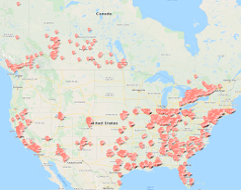
At Dumpster Rentals Depot (DRD), we connect homeowners, contractors, builders, and property managers with local dumpster rental and waste removal companies across Canada.
Our directory includes companies offering roll-off dumpster rentals, construction debris removal, demolition services, and related waste management solutions.
If your project requires both demolition work and dumpster rentals, consider contacting companies listed in our directory that offer these combined services.
Here are a few examples of providers listed on DRD:
- 4W's Demo Ltd. – Metro Vancouver, BC: Provides residential and commercial demolition, hazardous material removal, demolition debris disposal, and bin services.
- Tor Contracting Inc. – Barrie, ON: Offers dumpster rentals 8, 10, 14, 20 cubic yards, demolition debris removal, and demolition projects.
- Heartland Disposal & Recycling Ltd. – Edmonton Region, AB: Offers demolition and partial deconstruction services, debris removal, and dumpster rental solutions.
These are examples of providers listed on DRD. Service areas and project availability should be confirmed directly with each company.
Visit Dumpster Rentals Depot to find local dumpster rental providers and explore demolition and debris removal services in your area.
You can also browse our Demolition & Debris Removal directory to find companies that may be able to help with your next project.
Planning a demolition project? Start with the right waste removal partner. Find a local dumpster rental company through Dumpster Rentals Depot and request a free, no-obligation quote.
```- Published: 2026-11-06T13:19:33-08:00
- Author: Harry Cotten